Dairygold Paperless

Dairygold Paperless
Combining our deep-rooted farming tradition in the Golden Valleys with our nutritional expertise and technology, we have a clear vision to become a global player in supplying cheese and dairy ingredients. Our vision is echoed throughout the organisation by our farmer shareholders, our factory workers, our dairy scientists and our management team. We have grown to become an organisation that supplies better nutrition for the increasing world population, from infants through to active ageing.


Get in Touch
Request Market Reports


Growing Naturally
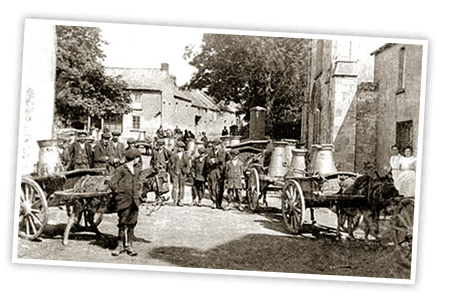
Since the early 1900s, families have been farming the lush green pastures of Ireland’s fertile Golden Valleys. As the industry grew over the years, local farmers saw the opportunity to join forces by forming dairy co-operatives. Ballyclough was established in 1908, and Mitchelstown in 1919. Backed by the co-operatives, Ireland’s premium dairy region was thriving.
With a clear vision for the future, the shareholders saw a stronger opportunity working together to produce premium dairy ingredients from the most fertile farmlands in the world. As a result, the two organisations merged to form Dairygold in 1990. We became Ireland’s largest farmer-owned co-operative, and together, established a strategic plan to develop opportunities abroad.
At the turn of the millennium, we continued to build on the strong relationship of our shareholder farmers, developing new opportunities and adding value to our premium raw materials. As the business grew, our quality from the farmgate right through to processing remained vital to our operations. We established long-term partnerships with some of the biggest international brands, supplying premium cheese and dairy ingredients to the global marketplace.
With the world population projected to double by 2050, and the abolition of the EU milk quota system in 2015, we saw an opportunity to put a strong milk production and processing capacity plan in place for the next half-century. We are delivering on a promise to take our quality raw material and through smart investments in research, innovation and world-leading facilities, produce premium ingredients. Our sustainable farming practices and position as leaders in dairy nutrition will ensure a bright future for our shareholders and customers. By taking our quality-assured, natural raw materials and adding value at every point in the production chain, we are creating better returns for our farmers and improved nutrition for our customers.
We will continue to challenge ourselves as we carve our position on the world stage, supplying nutritional solutions for infants through to active ageing. Our focus on quality and innovation will continuously add value to our ingredients, ensuring our shareholders are rewarded for their gold standard raw materials. With one vision that echoes through the co-operative, we will feed and nourish the growing world.